
NHS Oral Surgery at Dakatra
Patient information for IMOS referrals
What is Oral Surgery?
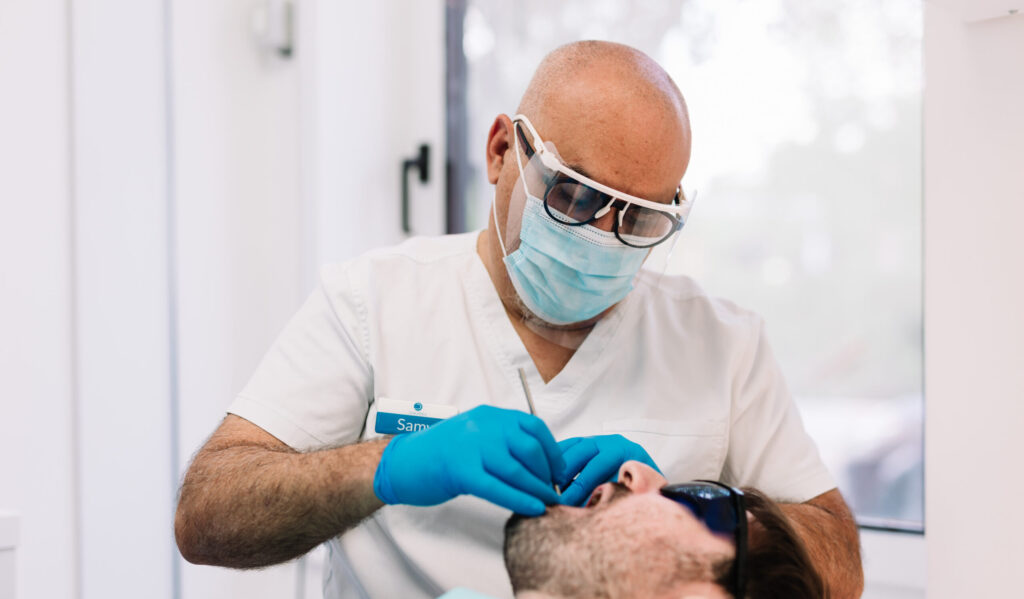
Oral surgery covers a wide range of surgical treatments carried out within the mouth. Although many general dentists can perform simpler procedures, patients are often referred to an oral surgeon for more advanced care.
At Dakatra, our surgeons are experts in handling more complex dental surgeries and are equipped to deal with both common and advanced cases. With modern facilities and highly skilled clinicians, we provide precise, reliable treatment designed to prioritise your comfort and safety.
One of the procedures oral surgeons perform most frequently is tooth removal, including the extraction of problematic wisdom teeth. These teeth may need to be removed for several reasons, such as impaction, crowding, infection, or poor positioning.
At Dakatra, we’re committed to delivering high-quality oral surgery services tailored to the needs of each patient. Our dedicated oral surgery clinic in Rotherhithe offers a full range of treatments, and for added convenience, we also partner with trusted dental practices across the region. This collaboration allows us to provide a smooth, accessible, and efficient care pathway—wherever you begin your journey.
If you have been referred to Dakatra by your NHS dentist for oral surgery, you may have questions about your treatment or what to expect on the day of your appointment. To support you, we’ve put together some useful information below. We encourage you to read through it before your visit.
Our priority is to ensure that every patient receives clear guidance and feels comfortable throughout their oral surgery experience.
Oral surgery covers a wide range of surgical treatments carried out within the mouth. Although many general dentists can perform simpler procedures, patients are often referred to an oral surgeon for more advanced care.
At Dakatra, our surgeons are experts in handling more complex dental surgeries and are equipped to deal with both common and advanced cases. With modern facilities and highly skilled clinicians, we provide precise, reliable treatment designed to prioritise your comfort and safety.
One of the procedures oral surgeons perform most frequently is tooth removal, including the extraction of problematic wisdom teeth. These teeth may need to be removed for several reasons, such as impaction, crowding, infection, or poor positioning.
At Dakatra, we’re committed to delivering high-quality oral surgery services tailored to the needs of each patient. Our dedicated oral surgery clinic in Rotherhithe offers a full range of treatments, and for added convenience, we also partner with trusted dental practices across the region. This collaboration allows us to provide a smooth, accessible, and efficient care pathway—wherever you begin your journey.
If you have been referred to Dakatra by your NHS dentist for oral surgery, you may have questions about your treatment or what to expect on the day of your appointment. To support you, we’ve put together some useful information below. We encourage you to read through it before your visit.
Our priority is to ensure that every patient receives clear guidance and feels comfortable throughout their oral surgery experience.

What to expect at your Oral Surgery appointment
- Before your appointment, make sure that you have eaten a good meal beforehand to keep your blood sugar levels up – also because you will be numb for a few hours afterwards
- Please bring with you…
1. A list of all medications you are taking
2. Drug allergies, if any
3. Recent relevant medical letters or emails
4. Details of any previous diagnoses, hospital admissions and treatments for your condition - Please allow up to 2 hours for your treatment. The time allocated to you is an arrival time – due to the unpredictable nature of oral surgery, we cannot always guarantee you will be seen at this time
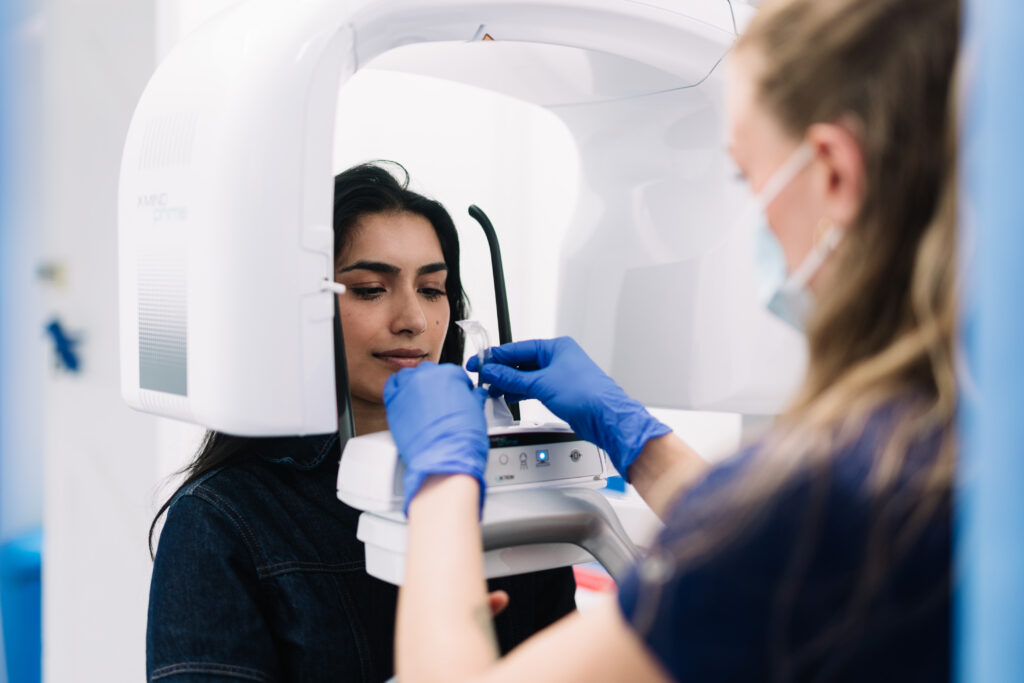
- We may need to take an x-ray if you have not had one recently or if the one provided by your dentist is not adequate
- We always try to complete the treatment required on the day, however in some cases we may need a consultation first
- You may experience some pain/swelling after the anaesthetic wears off, this is normal and a part of the healing process
- You will be given post-operative instructions to follow – the better you follow these, the quicker the healing process will be
- If you have continued pain that doesn’t improve after a few days, you can contact us – we may ask you to come back in to check on the extraction site
Please review the following links for information regarding your treatment
We currently operate out of 2 locations for your ease and convenience